Material at the line when it is needed.
Stocking, replenishment and dispensing decided from demand, not habit – so less cash is tied up in stock and nothing sits on the shelf long enough to lose value.
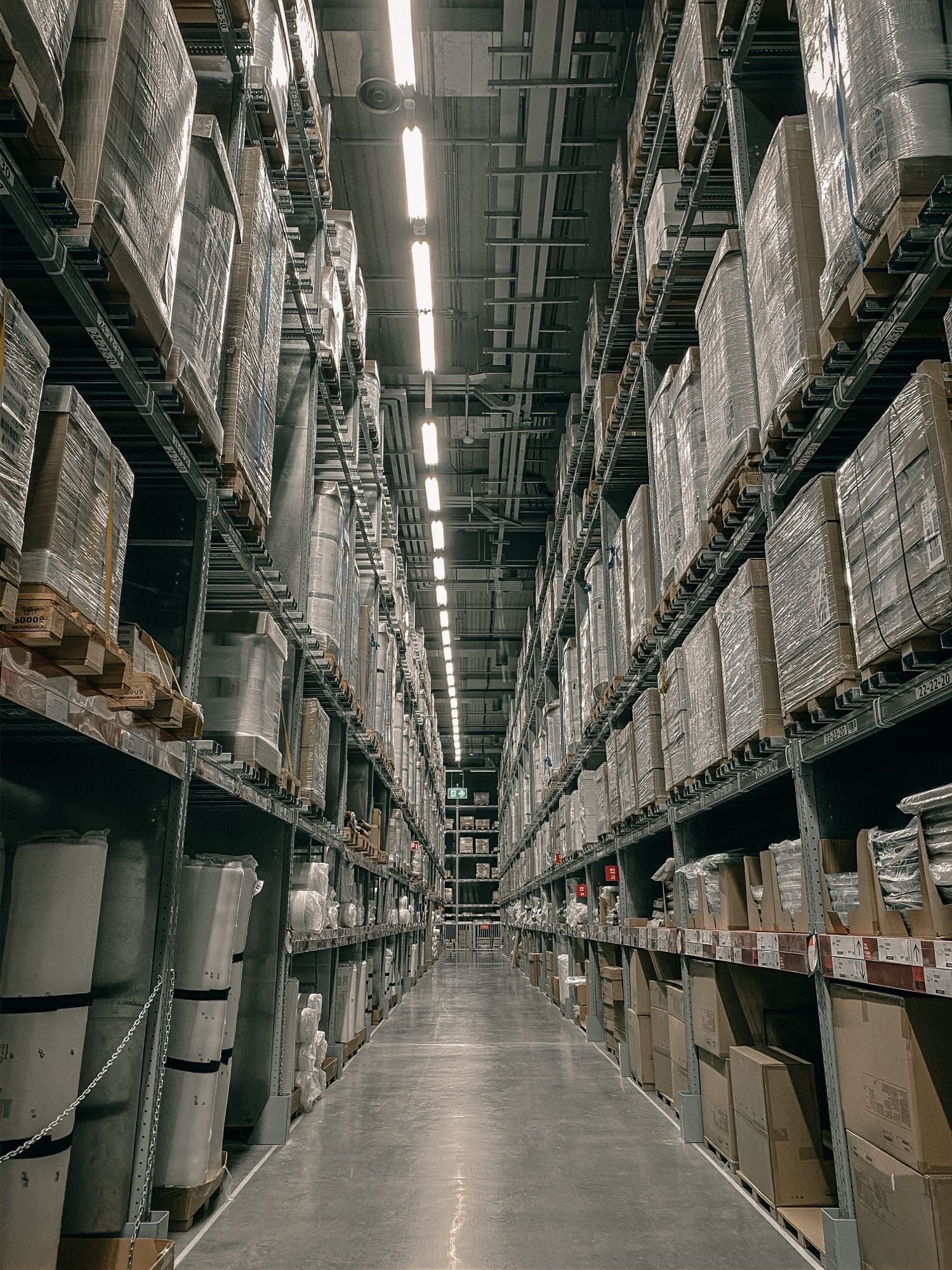 Solution 04 – Warehouse & logistics
Works with your ERP
SAP, ABRA, Helios, SyteLine – we build on top of the ERP you already have.
The problem
Too much stock, and still the wrong parts.
Where the warehouse costs the most – in tied-up capital, in shortages, and in walking.
- 01
Cash tied up in the wrong stock
Capital sits in slow movers that lose value every month on the shelf, while fast movers run out. Min and max levels were set years ago and never revisited.
- 02
Replenishment by feel
Orders go out when someone notices an empty shelf, so every supplier delay turns into a line stop.
- 03
Unnecessary trips around the warehouse
Picking and dispensing follow the layout the building happened to have, not the demand it serves today.
What's inside
From forecast to the pick.
Forecasting feeds replenishment, which feeds dispensing – one system rather than three spreadsheets.
- 01
Demand forecasting
Item-level forecasts from your own movement history, orders and known events.
- Item-level forecasts
- Seasonality & events
- Order signals
- 02
Replenishment planning
Reorder points and quantities that move with demand and real supplier lead times.
- Dynamic reorder points
- Min / max tuning
- Supplier lead times
- 03
Dispensing & picking
What to issue, from where and in which order, decided in real time on the floor.
- Dispensing decisions
- Kitting
- Pick sequencing
- 04
Slotting & layout
Where each item should live, based on how often and with what it moves.
- Slot assignment
- Travel-time analysis
- Layout scenarios
See it in practice
Where we have already built it.
How it is delivered
One team from first call to production.
- 01DiscoverWalk your process. Map the data that exists – and what doesn't.
- 02DefinePick the one problem where AI pays back first. Business case, not a pilot.
- 03BuildPrototype on your data, engineer the system, validate against reality.
- 04DeployIntegrate with ERP, CAD and the shop floor. On your servers or in a secure cloud in the EU.
- 05Run & extendMaintain it, improve it, extend it to the next line.
What we need from you
- Stock movement history – at least a year, ideally more
- Your item master with sizes, weights and supplier lead times
- The warehouse layout: zones, racks and locations
- An hour a week from the warehouse manager
All under NDA, signed before you send us any data. We usually start on an older export, enough to learn its structure, and move to live data once the system holds up. Access is read-only, your data stays on your servers or in a secure cloud in the EU, never goes to a third party, and is used only to build your system.
First results within 6 weeks, in full operation within 3–5 months
Contact
Tell us the problem. We'll tell you if AI is the answer.
Thirty minutes with a founder. No pitch – a conversation about your process, your data and whether a system would pay for itself.
Or reach us directly
- Matyáš ProkopiusCo-founder
- Adam BulkaCo-founder