Drawings, models and specs in. A routing and price out.
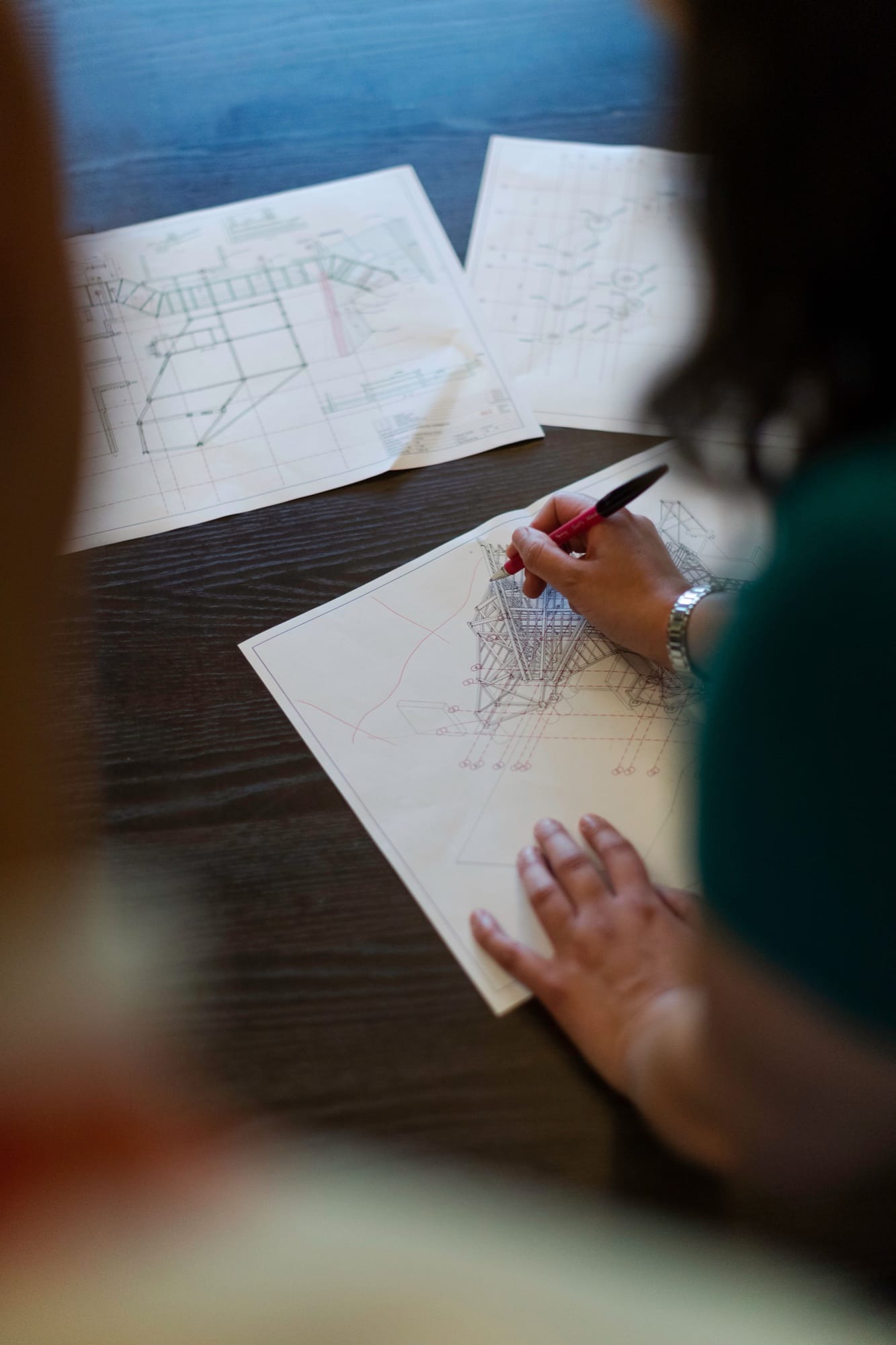
2D drawings, 3D models, parts lists, specifications and the customer's email. AI-Technolog reads whatever the enquiry contains and turns it into structured data: parts and features, a bill of materials, the operation sequence, times and a price. Your technologist confirms instead of starting from a blank sheet.
 Solution 01 – Engineering & technical documentation
The problem
The technical office cannot keep up.
Where engineering hours disappear before anyone has made anything.
- 01
Every quote is engineering work
Each inquiry waits for someone who can read the drawings, pick the operations and estimate the times. Deals are lost to whoever answers first.
- 02
The same data is typed three times
Parts, materials and quantities move from the model to a spreadsheet to the ERP by hand, and the errors travel with them.
- 03
Pricing depends on who does it
Two technologists price the same part differently, and the knowledge behind the difference sits with people who are always busy.
What's inside
Five modules, one data chain.
Start with extraction and quoting, or run the whole chain. Each module works on the output of the one before it.
- 01
Every input format
2D drawings, 3D models, parts lists and specifications, read as they arrive. Features such as holes, cut-outs, bends, thickness, unfolded size and mass are picked out automatically.
- 2D drawings: PDF, DWG/DXF, scans
- 3D models: STEP, native CAD
- Parts lists & specs: Excel, PDF, Word
- 02
Operations & times
The operation sequence derived from the features, with times from a parametric model rather than a guess.
- Operation sequence
- Parametric time model
- Machine-specific routing
- 03
Quotation
A consistent price from the same data, so the offer does not depend on who prepared it.
- Costing rules
- Consistent pricing
- Quote drafts
- 04
Bill of materials & checks
A multi-level BOM matched to your item master, with missing parts and conflicts flagged before production sees them.
- Item-master matching
- Completeness checks
- Change impact
- 05
Design reuse
Finding what the company has already designed, so similar work starts from the closest past solution.
- Similar-part search
- Configuration rules
- CAD generation
See it in practice
Where we have already built it.
- Ready to deploy
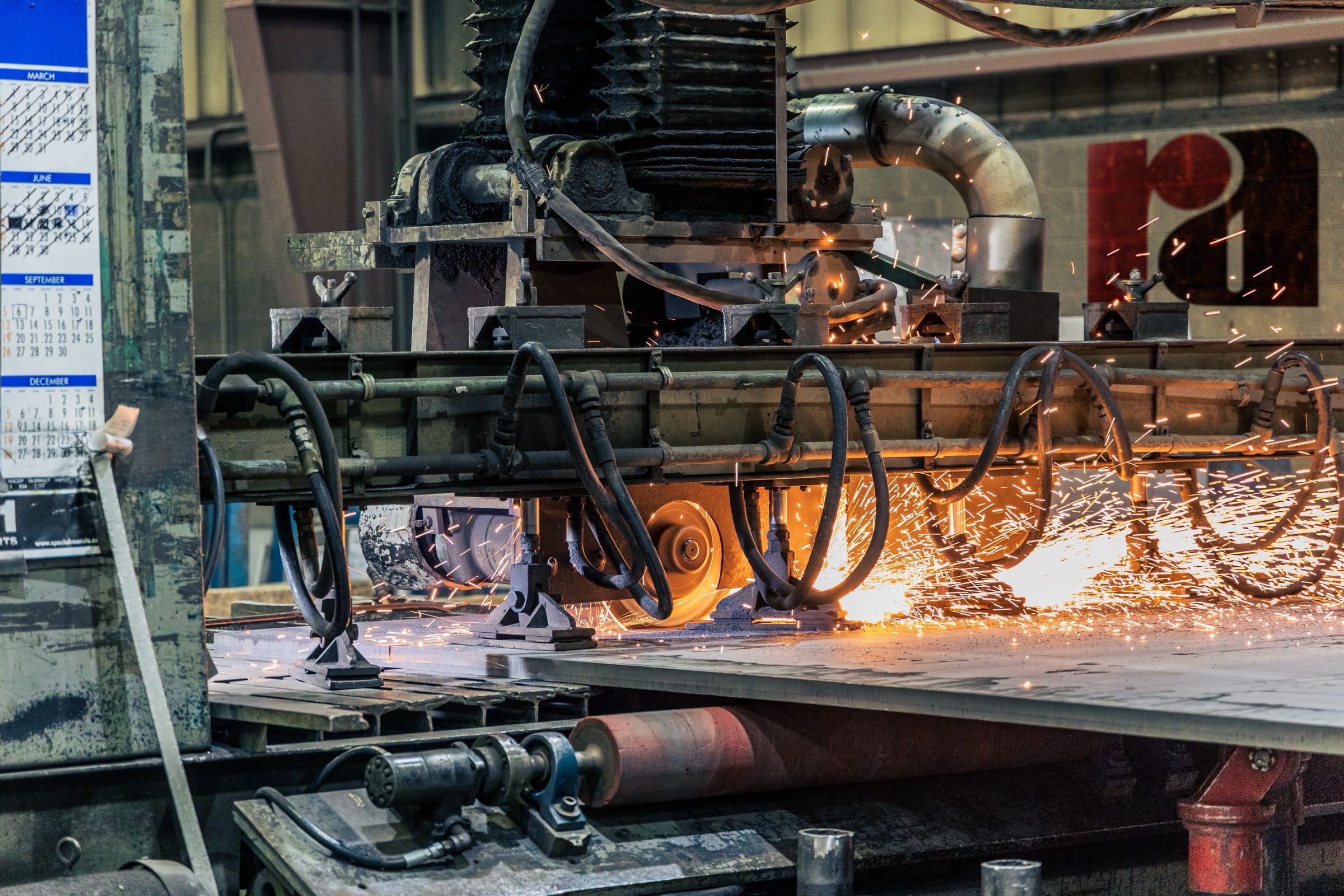 ProductAI-TechnologA customer's order folder becomes a checked bill of materials, a routing and a price. The technologist approves it and handles only the exceptions.Read more
 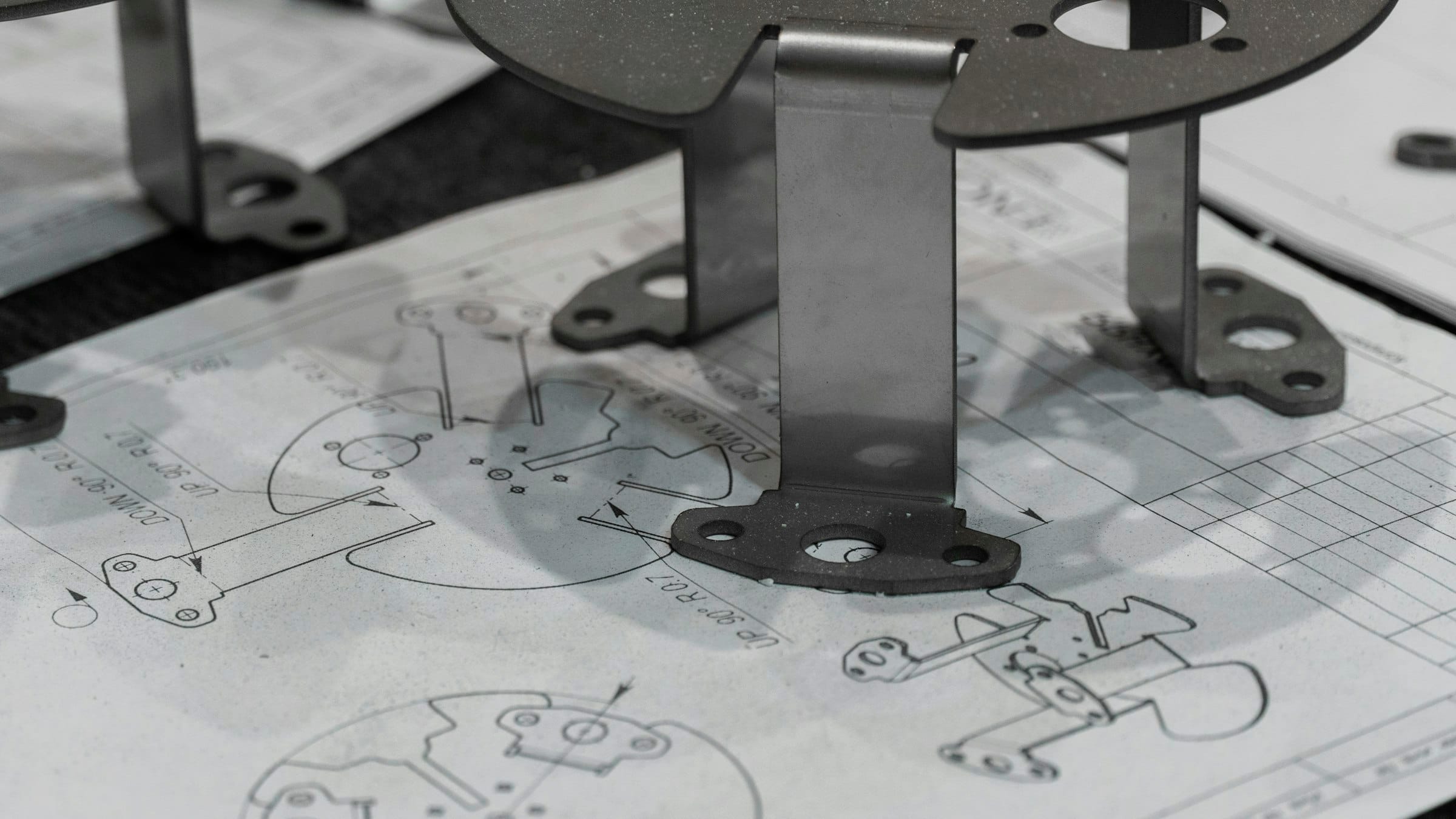 Metal fabricator · AI-TechnologPricing a 243‑file enquiryModels, drawings and a parts list from the customer, turned into a checked bill of materials, a routing and a price.Read more
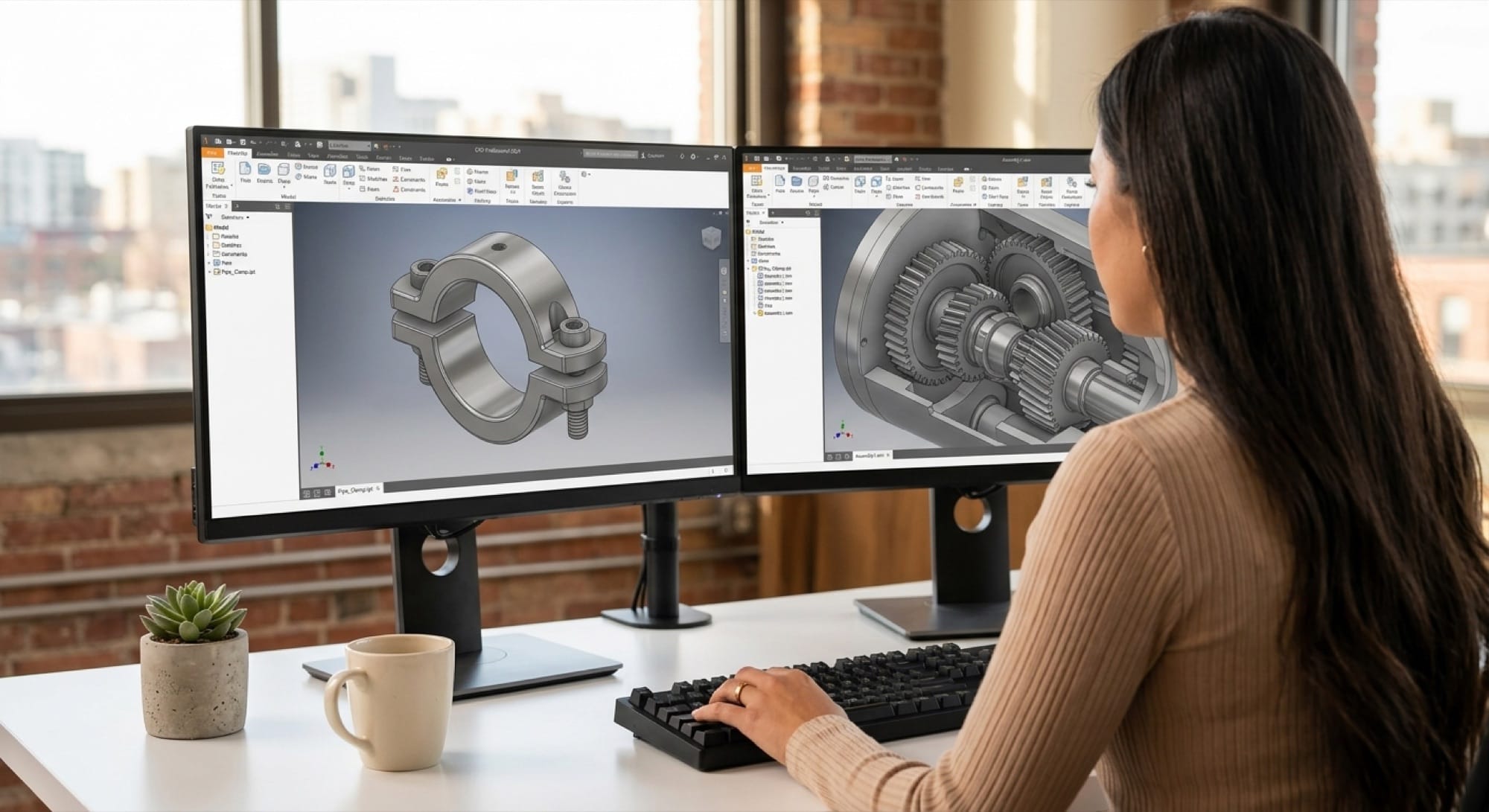 In-house · AI-KonstruktérFrom a sentence to drawingsOur own build, not a customer job: a brief in plain words becomes a checked frame – model, drawings, bill of materials and a price.Read more
How it is delivered
One team from first call to production.
- 01DiscoverWalk your process. Map the data that exists – and what doesn't.
- 02DefinePick the one problem where AI pays back first. Business case, not a pilot.
- 03BuildPrototype on your data, engineer the system, validate against reality.
- 04DeployIntegrate with ERP, CAD and the shop floor. On your servers or in a secure cloud in the EU.
- 05Run & extendMaintain it, improve it, extend it to the next line.
What we need from you
- Drawings and 3D models of parts you have already made
- Past inquiries with the quotes, routings and bills of materials you sent back – the more, the better
- Read access to your ERP: items, machines and hourly rates
- A few hours a week from the technologist who checks the drafts
All under NDA, signed before you send us any data. We usually start on an older export, enough to learn its structure, and move to live data once the system holds up. Access is read-only, your data stays on your servers or in a secure cloud in the EU, never goes to a third party, and is used only to build your system.
First results within 6 weeks, quoting live enquiries within 3–5 months
Contact
Tell us the problem. We'll tell you if AI is the answer.
Thirty minutes with a founder. No pitch – a conversation about your process, your data and whether a system would pay for itself.
Or reach us directly
- Matyáš ProkopiusCo-founder
- Adam BulkaCo-founder