A robotic warehouse that decides where every box goes, in 15 ms.
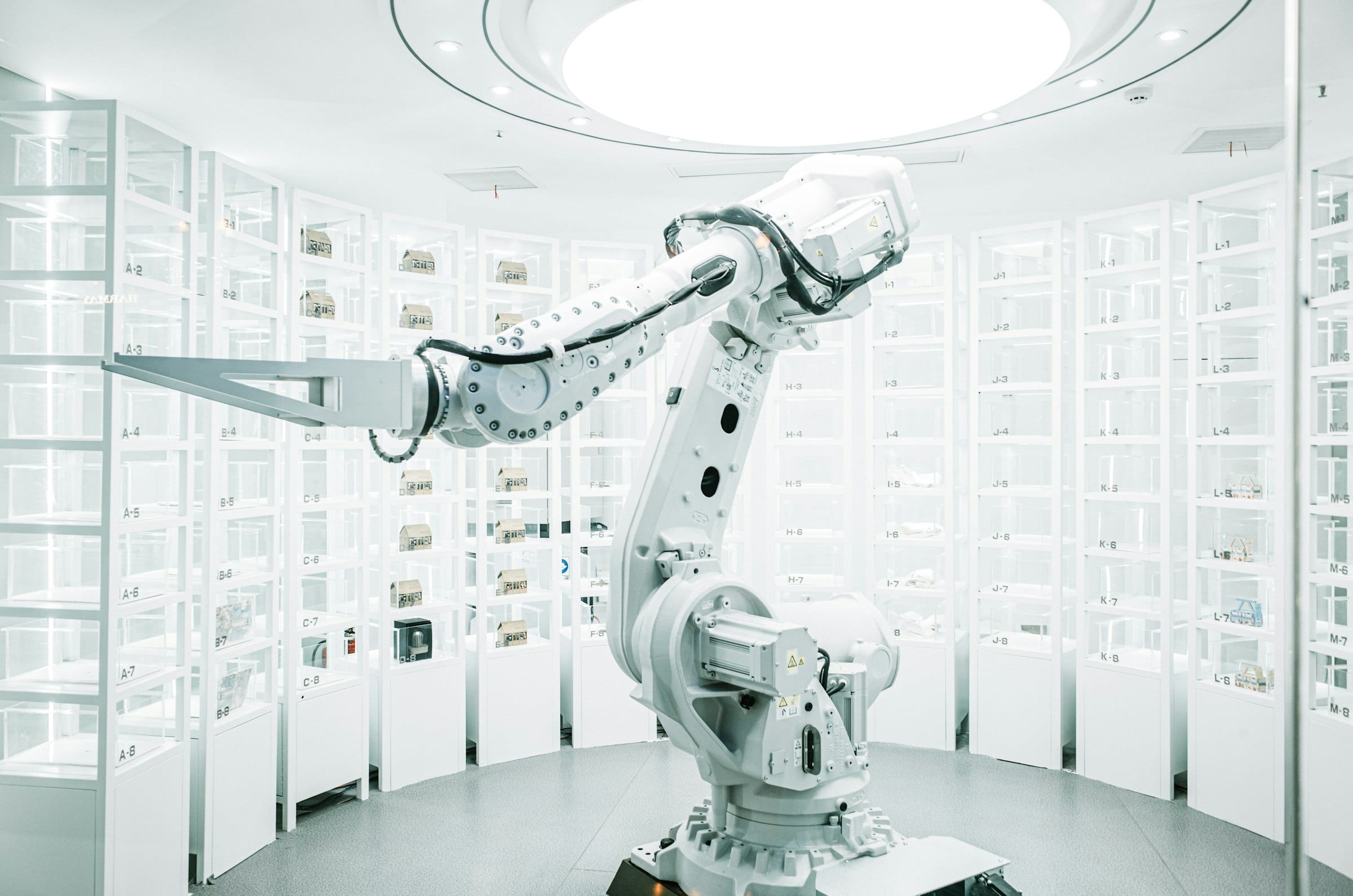
MedicPort runs a robotic warehouse for pharmacy goods. The robots were there. With DataFriends we built the logic: where each box should go, and which box to pick first.
 Case study – DataFriends
- 15 msto decide where a box goes, against a limit of 1.5 s
- 2robots picking at the same time, without collisions
- FEFOearliest expiry first, on every order
- 50boxes in the test the speed was measured on
The problem
Robots that move boxes still need someone to tell them where.
Every box arrives with a barcode, an expiry date and a size. Every one needs a shelf, and every order needs the right boxes picked – the ones that expire first.
The warehouse system asks for a decision on each box and waits no longer than one and a half seconds for the answer.
See it work
A warehouse that decides by itself – every box in 15 ms.
Boxes come in and go out all the time. The shelves are of different heights and the boxes stand side by side, wherever they fit best. For each one the system weighs its size, its expiry, how fast it moves and what it is ordered with. On the left the shelves, on the right what it has just decided and why.
- On average
- 15 ms
- Robot collisions
- 0
- colour = kind of goods
- outline = where the system tried the box
What we built
A warehouse that decides, and the robots that follow.
The warehouse system still drives the robots. Ours answers its questions – fast enough that nobody waits.
- 01
Where each box goes
Every free shelf is scored by distance, height, free space and how often the product sells. The best one wins.
- 02
Picking by expiry
Earliest expiry first, several products in one pass.
- 03
Two robots, no collisions
Both robots pick at the same time and never get in each other's way.
- 04
Learning from every pick
Every pick updates how fast products move; at night, stock moves to match.
How it works
How a box gets its place.
Four steps, and the decision takes fifteen milliseconds of them.
- 01
Scan
A box arrives with its barcode, expiry date and size.
- 02
Ask
The warehouse system asks where it should go.
- 03
Move
A robot takes it to the chosen shelf and confirms.
- 04
Learn
Every pick updates how fast products move; at night, stock moves to match.
The result
An answer in milliseconds, a hundred times inside the limit.
The warehouse needed a decision within one and a half seconds per box. Ours takes fifteen milliseconds, measured on a fifty-box test.
It runs on the customer's own infrastructure.
The same approach works for
- Storage places and picking order in any automated warehouse
- Earliest-expiry-first picking wherever stock carries a date
- Several robots sharing one store without getting in each other's way
Contact
A similar problem on your desk? Let's look at it together.
Thirty minutes with a founder: your process, your data, and whether a system like this one would pay for itself in your plant.
Or reach us directly
- Matyáš ProkopiusCo-founder
- Adam BulkaCo-founder