RAG Systems Explained: Smarter Answers from Your Company Data
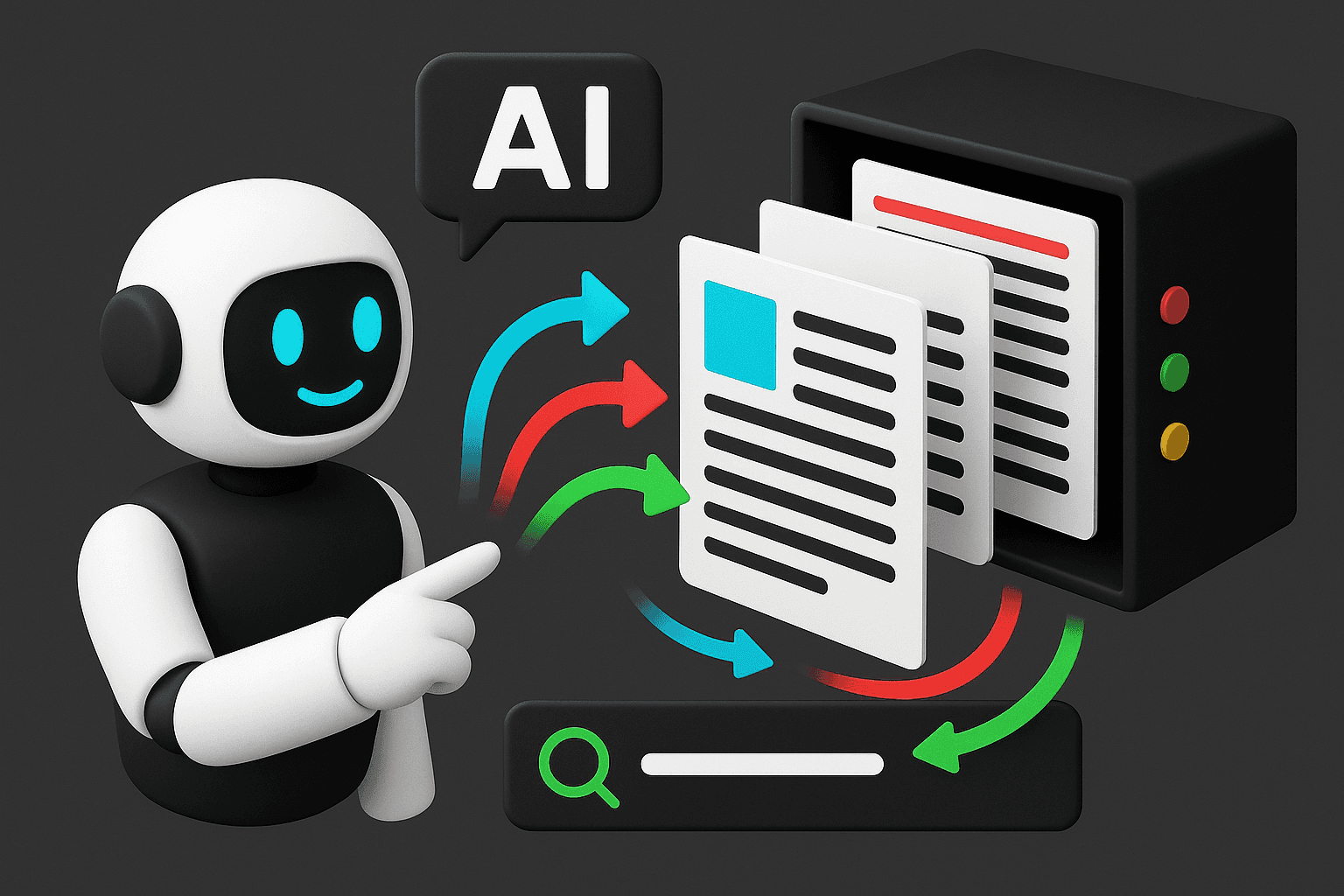
Executives keep hearing about generative AI and new buzzwords, but one term worth knowing is RAG – retrieval-augmented generation. Why? Because RAG is quietly solving a major pain point: how to get reliable answers from AI using your own company’s data. Imagine an internal AI assistant that cites your policy documents or databases instead of making things up. This article breaks down RAG in plain language and shows how it turns your enterprise data into smarter answers.
The Challenge: When AI Lacks Context
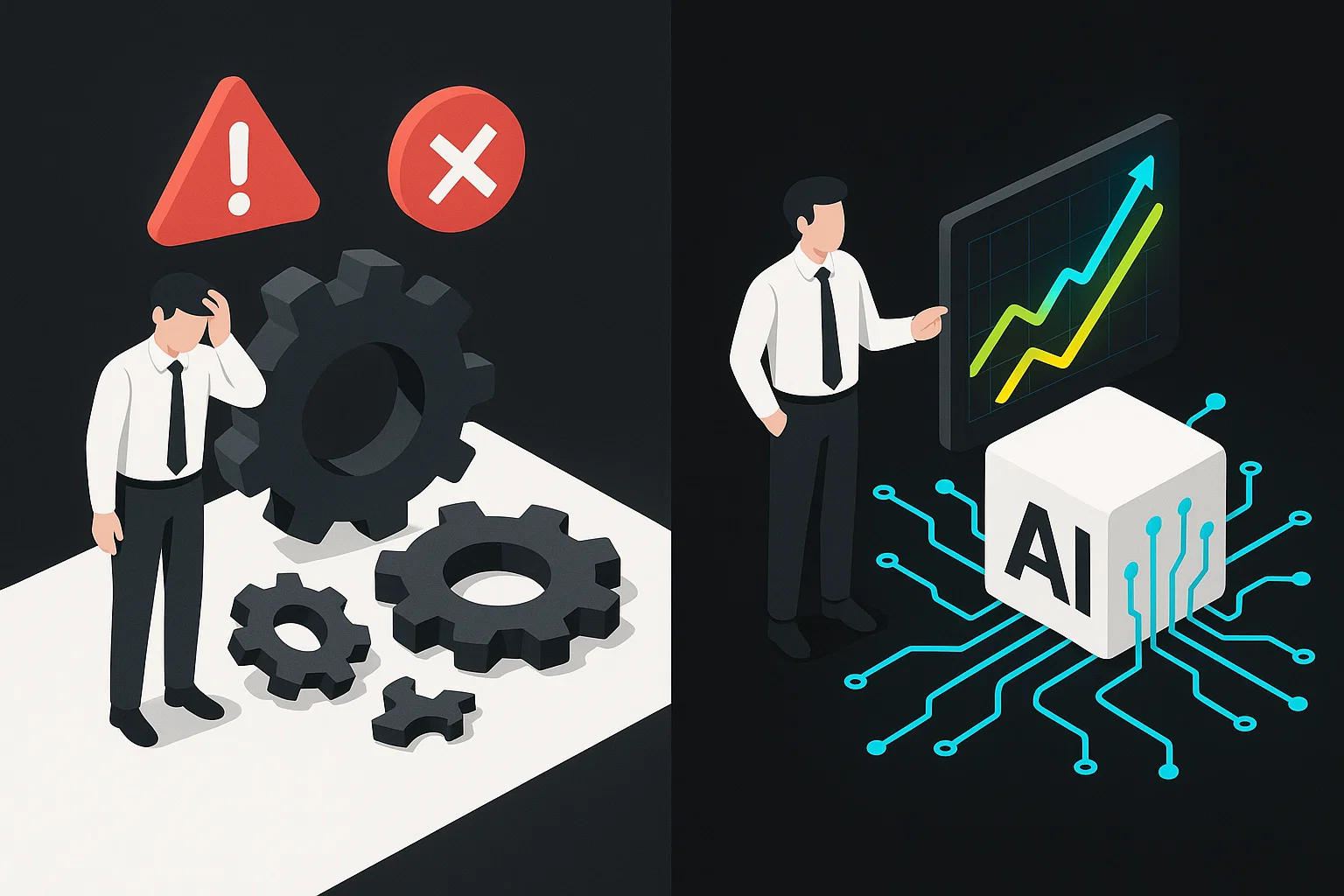
Generative AI has shown incredible capabilities, from writing fluent text to summarizing articles. But without context, it can fail in critical ways. Standard LLMs are trained on massive datasets, yet they lack access to your business knowledge. As a result, they may invent details or miss important updates. This isn’t just a minor inconvenience—when an employee relies on an incorrect AI answer about compliance, HR policy, or financial reporting, the consequences can be costly.
Another issue is the knowledge cutoff. Most models stop learning after a certain point in time, meaning they can’t automatically know about new regulations, product launches, or company initiatives. For enterprises, this makes a generic AI both outdated and untrustworthy. Think of it like hiring a new employee who speaks well but never read your company manual or updated policies. That’s the gap RAG is designed to close.
What Is Retrieval-Augmented Generation (RAG)?
RAG combines two powerful capabilities: the generative language abilities of an LLM with a retrieval engine that pulls relevant content from external sources—such as your company’s data. Instead of relying purely on what the model “remembers” from training, RAG allows the AI to look up the right information in real time.
Imagine an employee asking, “What’s our parental leave policy?” A standard AI might give a generic answer based on public information. A RAG-powered AI, however, will search your HR manual, retrieve the exact section, and deliver a clear, accurate answer—possibly even citing the source. This ensures that responses are not only fluent but also grounded in facts you trust.
Importantly, RAG is cost-efficient compared to retraining models. You don’t need to re-train a giant LLM every time your company policies change. Instead, the retrieval step ensures that the model always has the latest information available. For enterprises, this means agility: the AI stays current without massive infrastructure costs.
How Does a RAG System Work?
RAG may sound complex, but the workflow is straightforward:
Data preparation and indexing: Company documents (policies, contracts, manuals, reports) are processed and stored in a vector database. Each document is broken into chunks and transformed into numerical “embeddings” that capture semantic meaning. This allows the system to understand concepts, not just keywords.
User query: An employee asks a question in plain language. For example: “Summarize Q4 sales in the Northeast region.”
Retrieval: The system searches the vector database and pulls the most relevant text snippets, such as sales figures from the Q4 report.
Augmentation: These snippets are inserted into the AI’s prompt, providing real-time context.
Answer generation: The LLM produces a fluent, accurate answer using both the query and the retrieved data.
Delivery: The response is presented to the user, often with links to the original source.
For employees, it feels seamless—like chatting with a colleague who has instant access to every document in the company. For managers, it means answers they can rely on.
Benefits of RAG for Enterprises
1. Accuracy and Trust
Hallucinations are one of the biggest risks of generative AI. By grounding responses in enterprise documents, RAG ensures that answers are accurate and traceable. Managers can make decisions knowing the AI isn’t improvising—it’s pulling directly from the company’s knowledge base.
2. Always Up to Date
Unlike static models, RAG systems are dynamic. They adapt as soon as new documents are added or policies change. This eliminates the “knowledge cutoff” problem and keeps the AI relevant, whether you’ve just updated your compliance manual or published a new quarterly report.
3. Proprietary Advantage
Your company’s internal data—manuals, reports, case files—is unique. RAG unlocks that knowledge, turning it into an advantage. Instead of employees spending hours searching, the AI can instantly surface the right details.
4. Productivity Gains
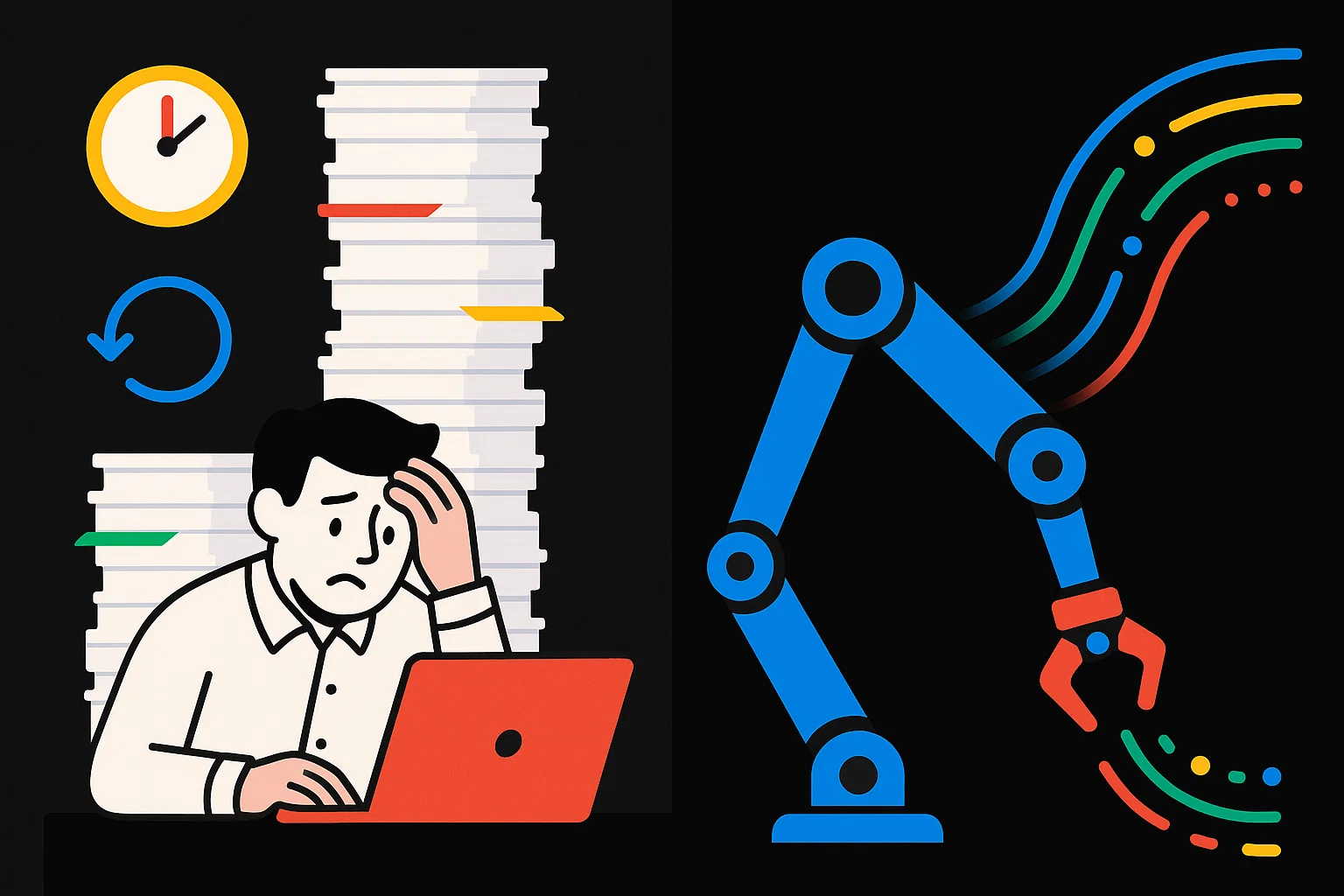
Employees often spend up to 20% of their time just looking for information. A RAG assistant cuts that search time dramatically, letting staff focus on higher-value work. Faster answers also mean fewer delays in decision-making.
5. Compliance and Consistency
Because responses are sourced from approved documents, RAG reduces the risk of employees acting on outdated or incorrect advice. It also ensures consistency—everyone receives the same answer, backed by the same source, which is especially important in regulated industries.
6. Cost-Efficiency
Fine-tuning or retraining AI models is expensive. RAG provides a smarter, leaner approach: the model doesn’t need to “memorize” your data; it just retrieves it when needed. This lowers costs while still delivering enterprise-grade customization.
RAG in Action: Enterprise Use Cases
HR & IT chatbots: Employees can ask, “How do I reset my VPN?” or “What’s our parental leave policy?” The AI responds instantly with the right excerpt from the HR or IT manuals. This speeds up onboarding and reduces ticket volume.
Legal and compliance: Lawyers and compliance officers can query contracts or regulatory documents. Instead of scanning dozens of pages, the AI highlights the relevant clause in seconds. This reduces oversight risk and saves billable hours.
Management reporting: Executives can ask, “Compare Q4 sales to last year.” The AI pulls the numbers from financial reports and generates a concise summary. It’s like having a personal analyst available 24/7.
Customer support: Support reps (or even customers directly) can get accurate troubleshooting instructions. Instead of generic FAQs, the AI retrieves precise steps from manuals or past cases, improving resolution times.
Across departments—HR, legal, finance, customer service—RAG provides a flexible framework for smarter knowledge use.
Implementation Considerations
Data quality: The AI is only as good as the data it retrieves. Enterprises must clean, structure, and maintain their repositories to avoid outdated or duplicate information.
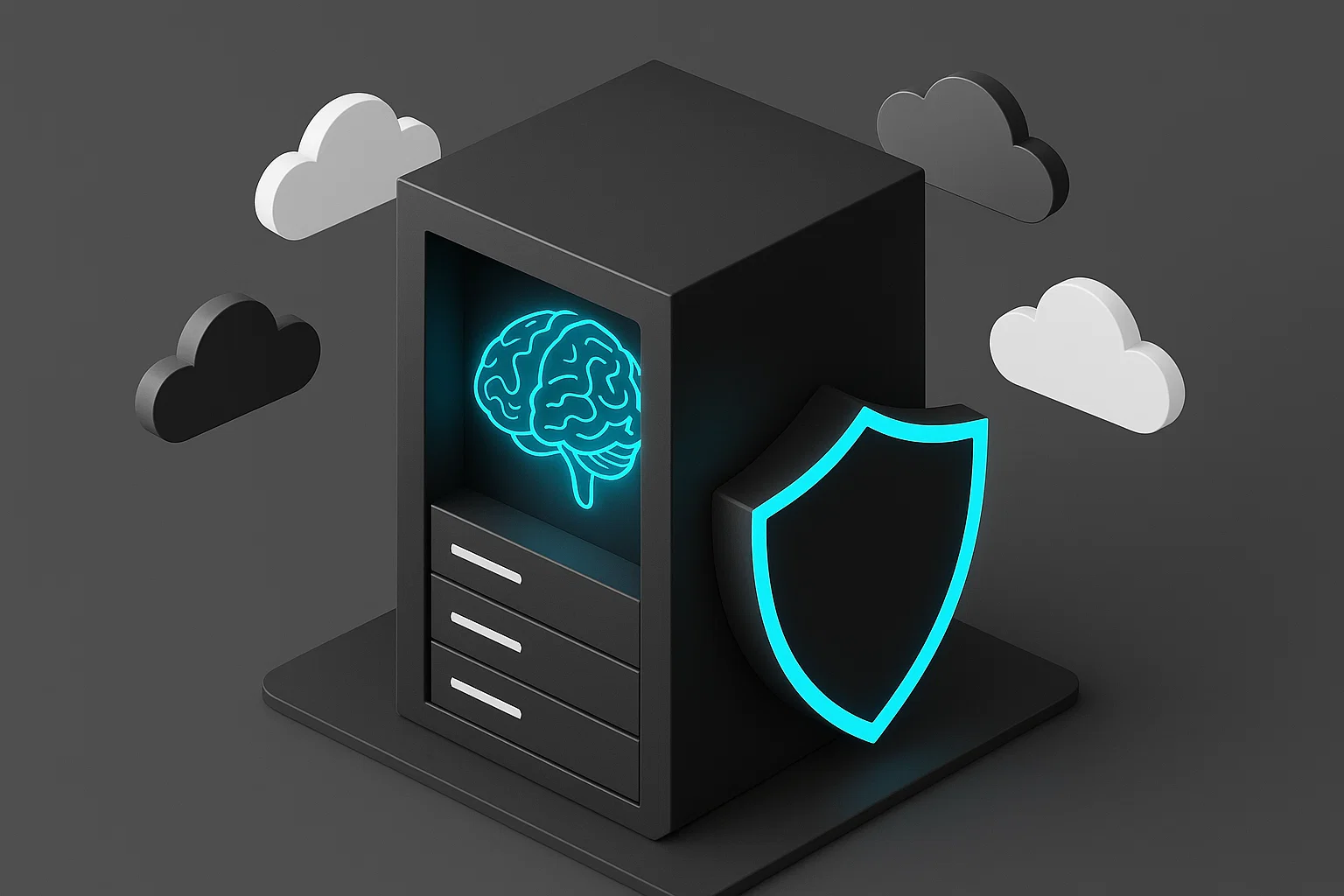
Security: Sensitive data requires strict controls. Deploying RAG with on-premise LLMs ensures data never leaves your secure environment. This is crucial for industries like finance and healthcare.
Technology stack: A robust RAG system typically combines a vector database (for storage and retrieval) with a strong LLM. The right architecture depends on your data size, latency needs, and budget.
Continuous improvement: RAG is not a “set it and forget it” system. Teams should monitor responses, refine prompts, and update the knowledge base regularly. Transparency—showing which documents were used—helps fine-tune accuracy.
User adoption: Employees need clear guidance on how to use the system. Training sessions and example queries can accelerate adoption, ensuring the AI becomes part of daily workflows.
Summary: Smarter Answers, Real Business Value
RAG is more than a buzzword - it’s a practical step forward for enterprises seeking trustworthy AI. By connecting LLMs to company knowledge, it transforms data into a strategic asset. Employees get faster, more accurate answers. Managers gain confidence in AI-assisted decision-making. And the organization as a whole benefits from efficiency, security, and competitive advantage.
Companies that adopt modern AI solutions like RAG gain not just smarter tools, but a smarter way of working. If you’re considering where to begin, SURG Solutions can help design and deploy secure, tailored RAG systems that unlock the full potential of your enterprise data.